
 English
  Italian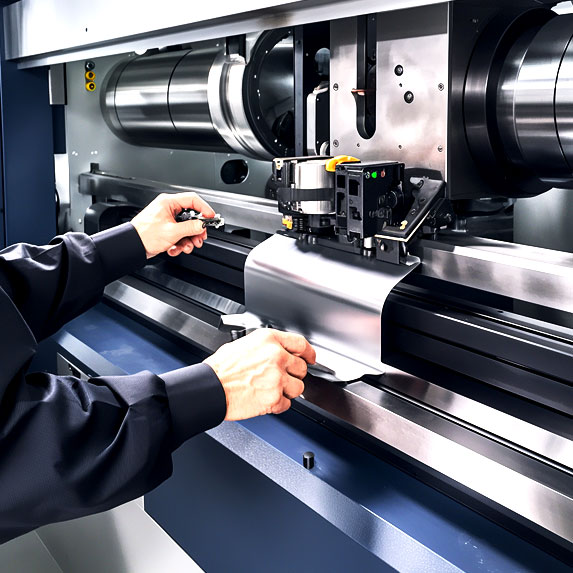
CNC (Computer Numerical Control) machining is an advanced technology that has revolutionized the way industrial components are made. This method uses computer-controlled machine tools to perform machining operations with a high degree of precision and repeatability. But what exactly is CNC machining and what are its advantages?
CNC machining is an automated process that allows machine tools to be controlled using software programs. These programs, written in specific programming languages such as G-code, define the movements and operations to be performed, such as CNC cutting, milling, turning and other processes. Thanks to this technology, it is possible to obtain complex and detailed shapes quickly and efficiently.
When to use CNC machining machines?
CNC machines can be used for a wide range of operations, including:
- Milling: Used to remove material from a work piece, creating precise shapes and surfaces.
- Turning: used to machine cylindrical materials, such as shafts and pipes.
- Laser Cutting: A form of CNC cutting that uses a laser beam to make precise cuts in various materials.
- Plasma and water: Other CNC cutting techniques that use plasma or water jets to process metals and other materials.
What are the advantages of CNC machining?
One of the main advantages of CNC cutting is its ability to guarantee high precision. CNC machines can cut and machine to very tight tolerances, making them ideal for applications where quality is critical. Furthermore, computerized control allows you to repeat exactly the same processes, reducing human errors to a minimum.
Another positive aspect of CNC machining is its versatility. CNC machines can process a wide range of materials, including metals, plastics and wood. This makes them suitable for various sectors, from automotive to electronics, up to the aerospace industry.
Efficiency and productivity
CNC machining greatly improves production efficiency. CNC machines can run continuously, reducing downtime and increasing production. Furthermore, thanks to programming, it is possible to carry out mass production without the need for constant manual interventions, which allows you to optimize resources and reduce costs.
CNC machining also allows for great flexibility in design. Engineers can create complex 3D models and modify them easily, allowing production to be quickly adapted to market needs. This is particularly useful in rapidly evolving industries, where the ability to innovate and respond quickly to customer demands is critical.
Applications of CNC machining
The applications of CNC machining are many and varied. In the industrial sector, CNC cutting is used to produce precision components, such as gears, engine parts and complex structures. For example, in the automotive industry, CNC machines are critical for producing parts that require very tight tolerances and complex shapes.
Additionally, CNC machining is often employed in prototype production. This ability to quickly build physical models allows engineers to test new ideas and designs, speeding up the product development process. Companies can thus reduce time to market, bringing their products to market faster than traditional methods.
CNC machining represents a significant step forward in industrial manufacturing. Due to its ability to ensure precision, versatility and repeatability, CNC cutting and other CNC machining techniques are becoming increasingly popular. Investing in this technology can lead to significant improvements in product quality and operational efficiency, making companies more competitive in the global marketplace.
The continued evolution of CNC technologies, including the integration of artificial intelligence and automation, promises further advancements in the metalworking industry and beyond. Companies that embrace this innovation can expect to gain lasting competitive advantages by improving their ability to meet customer needs and adapt to market challenges.


